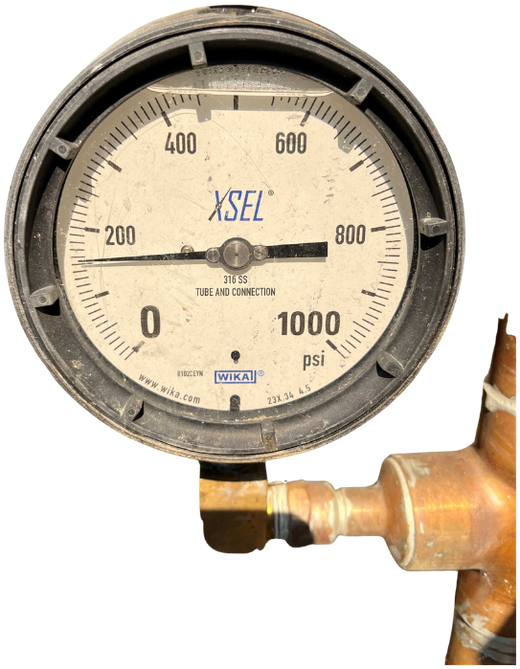
Compressed air is often the most expensive utility in a plant per unit of delivered energy — and the most neglected. Over 80% of the energy input into a compressor is lost as waste heat; leaks typically consume 20–30% of output; improper control settings can nearly double annual energy consumption. Because the waste is silent and continuous, it never shows up on anyone's list until it's measured. RMEM has reviewed hundreds of compressed air systems across the country.
Over a system's life cycle, roughly 82% of total cost is energy — only 8% is the equipment itself. Audit savings typically exceed 30%, and many utilities offer rebates covering 50% to 75% of audit and high-efficiency equipment costs. You can't manage what you don't measure — and compressed air is seldom metered or monitored. In most facilities, the first indication of a problem is a low-pressure event on the production floor.
Air Audits — RMEM's comprehensive air audits replace management's guesswork with measurement: every system audit includes data logging to capture trend data — pressure, flow, and power — plus dew point measurement. All data, findings, and recommendations are detailed in an easy-to-read Final Audit Report. Reports are commonly used to support new cap-ex projects and utility rebate submittals.
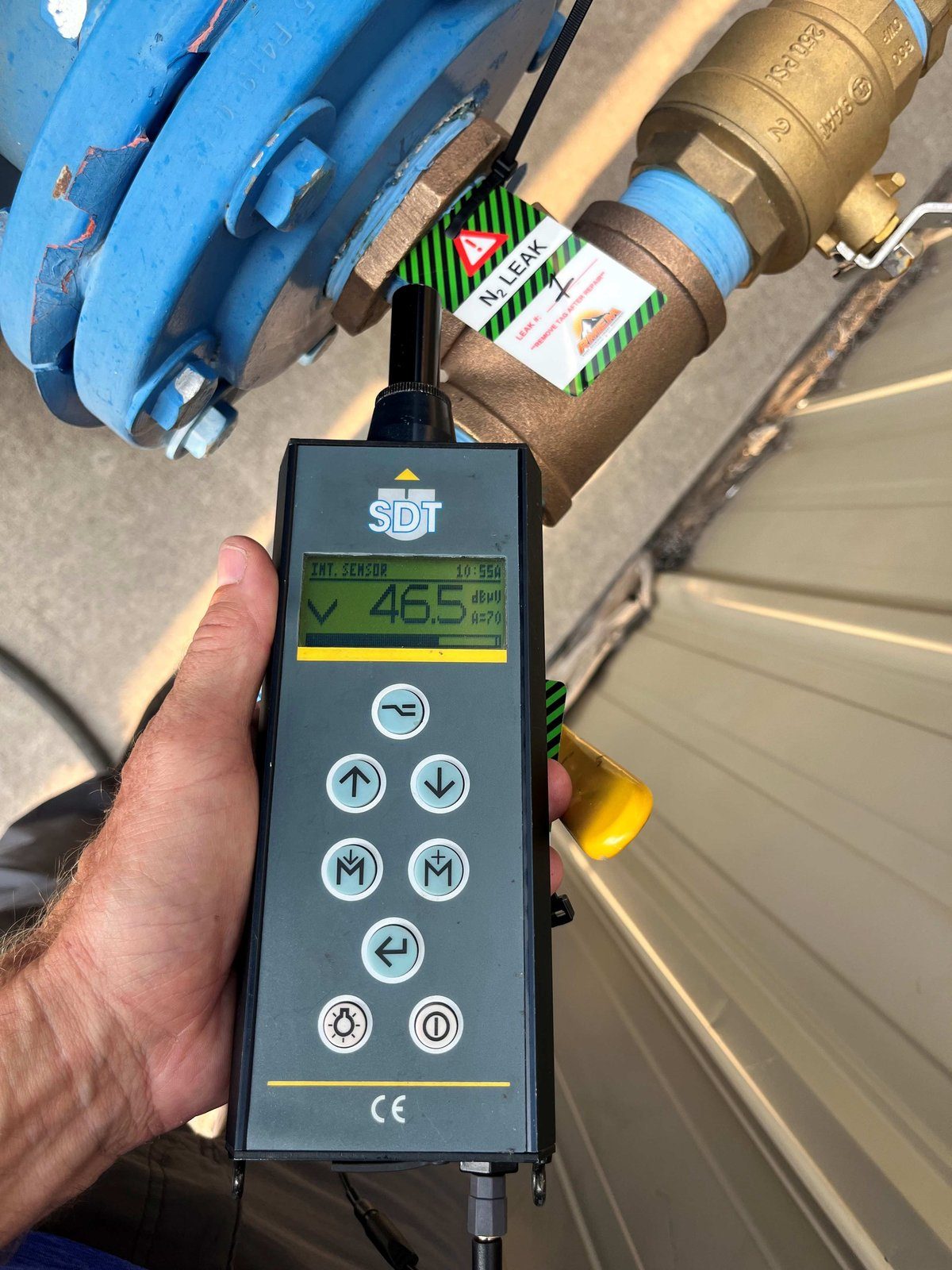
Leak Audits — Ultrasonic audits cover compressed air, nitrogen, and CO₂ — each leak located, sized, costed, and tagged on a Leak Log for repair sign-off. Nitrogen and CO₂ leaks are often far more expensive than air leaks: purchased gas carries its full delivered cost, and even sites that generate their own nitrogen pay a premium — it can take five parts of compressed air to produce one part of nitrogen. Every nitrogen leak is a compressed air leak, multiplied.
Bottling plant
A continuous blow-off air nozzle was found piped to delivered nitrogen instead of plant air — roughly 15 SCFM, around the clock. Estimated cost: $36,000 per year, for a job compressed air performs for about $2,600 in electricity. One piping change eliminated it.
Measurement & Verification
Every audit establishes data-logged pre-project baselines — trend data for pressure, flow, and power, plus dew point measurement — with post-implementation measurement and leak re-survey to confirm savings and repair results.
Utility Rebate Assistance
Utilities commonly rebate 50–75% of audit and high-efficiency equipment costs. RMEM identifies qualifying programs, builds documentation to program requirements — including leak repair verification — and processes the applications.
Food-processing plant
An in-house fabricated blow-off bar metered at 220 SCFM — 40% of total plant air. The fix cost almost nothing: modifying the conveyor angle eliminated the bar entirely, letting the site shut down its backup 50 HP compressor — $28,000 per year in energy savings.
Railroad yard
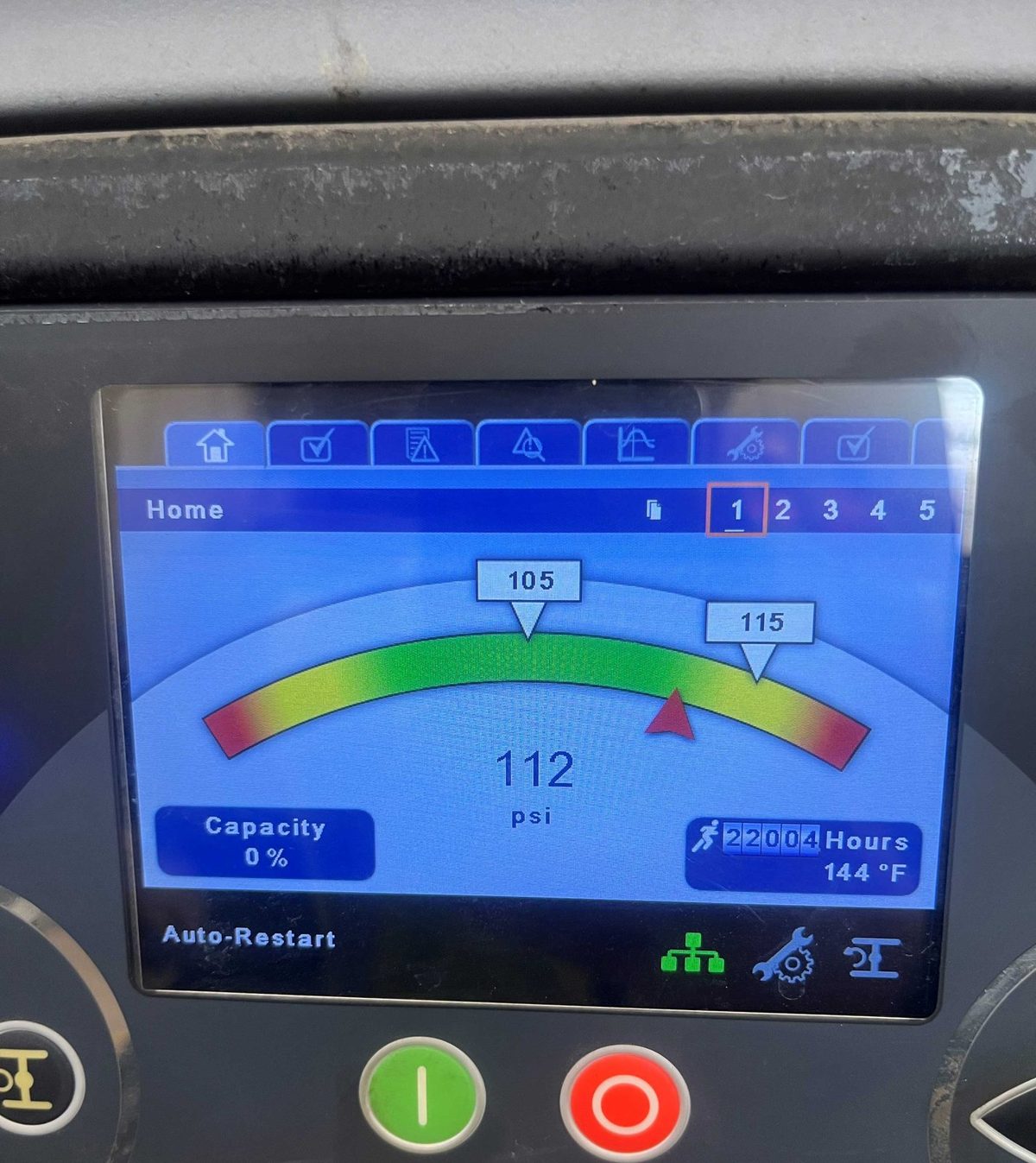
Improper control settings on a newly installed air system had compressors short-cycling around the clock. Control changes and mainline pressure control cut annual equipment hours by 82% and energy costs by 78% — with extended equipment life and reduced maintenance on top.
Frequently asked questions
How much do compressed air leaks cost?
Leaks typically consume 20 to 30 percent of a compressor's output; a single ¼-inch leak at 100 psi can waste well over $10,000 per year in electricity. Nitrogen and CO₂ leaks cost more still, whether the gas is purchased or generated onsite — producing one part of nitrogen can take five parts of compressed air.
Do utilities offer rebates for compressed air audits?
Commonly 50 to 75 percent of audit costs, plus incentives for high-efficiency equipment. Many programs require repairing 50 percent of identified leakage by volume — our documentation is built to satisfy that.